


Choosing the Right Chemical Peel for Your Skin Type
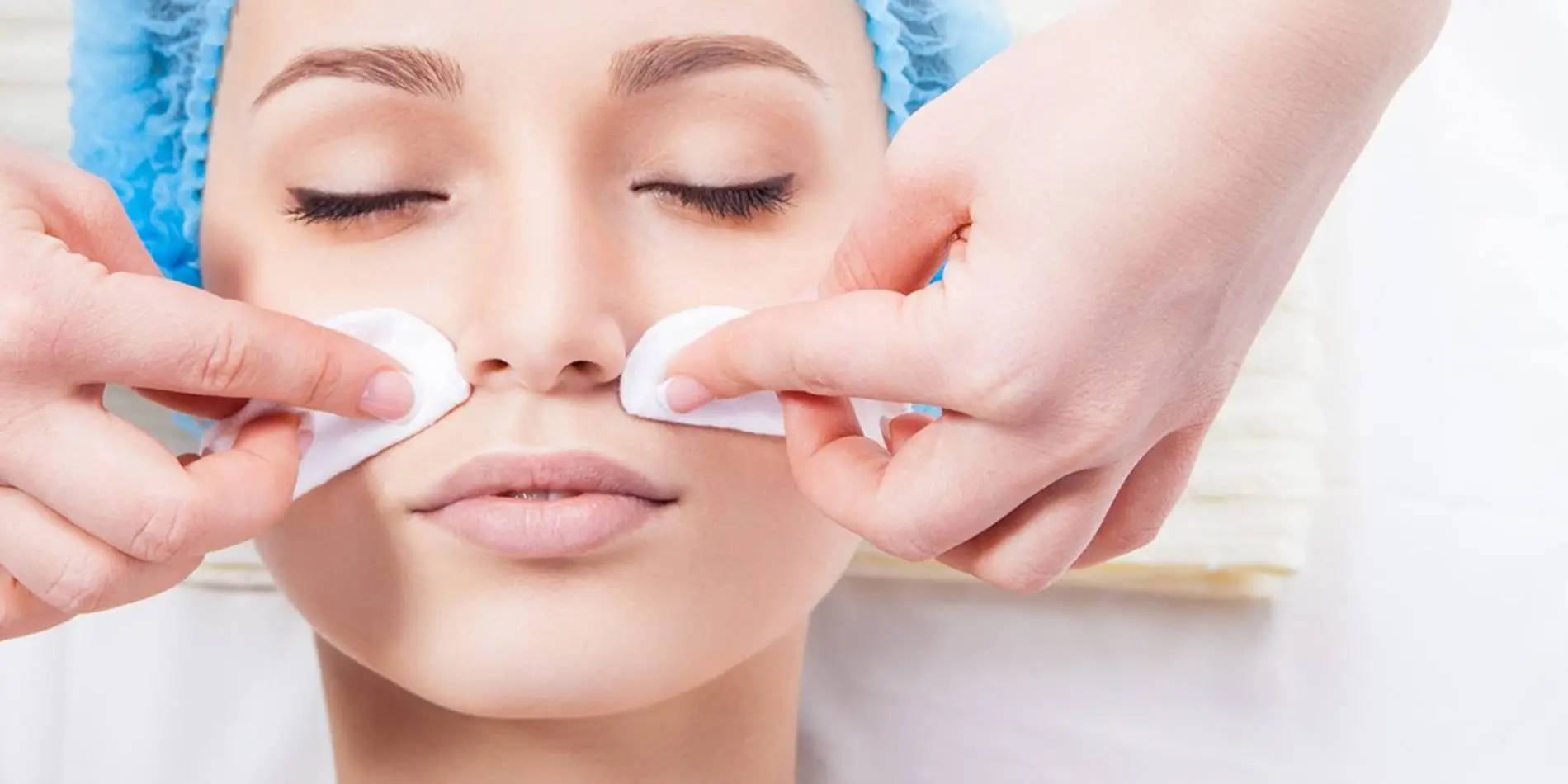
Choosing the right skincare treatment is essential for achieving healthy, radiant skin, and chemical peeling is a popular option for addressing concerns like uneven texture, pigmentation, acne scars, and fine lines. However, not all chemical peels are suitable for every skin type, and selecting the correct peel requires understanding your skin’s sensitivity, tone, and specific concerns. Proper selection ensures effective results, minimizes risk of irritation, and provides a smoother, brighter complexion tailored to your skin’s needs.
Understanding Your Skin Type:
Identifying your skin type is the first step in choosing the right chemical peel:
-
Oily Skin: Prone to clogged pores and acne; benefits from salicylic acid or mild glycolic peels
-
Dry Skin: Sensitive to irritation; best suited for lactic acid or enzyme-based peels
-
Combination Skin: Requires a balanced approach targeting both oily and dry areas
-
Sensitive Skin: Needs mild, superficial peels to avoid redness or flare-ups
-
Normal Skin: Can tolerate a variety of superficial or medium peels depending on goals
Knowing your skin type allows a professional to recommend a peel that will improve texture and tone without causing harm.
Types of Chemical Peels:
Chemical peels vary in depth and intensity, each serving different skin concerns:
-
Superficial Peels: Gentle acids like glycolic, lactic, or fruit enzymes for mild exfoliation and overall brightness
-
Medium Peels: Trichloroacetic acid (TCA) or stronger AHAs target moderate pigmentation, fine lines, and acne scars
-
Deep Peels: Phenol or high-concentration TCA for severe wrinkles, deep scars, and extensive sun damage
-
Combination Peels: Blend acids to address multiple concerns such as texture, pigmentation, and acne
Selecting the appropriate peel type ensures the skin receives the right level of exfoliation for its condition and sensitivity.
Matching Peels to Skin Concerns:
Each peel works differently based on the skin issue being treated:
-
Acne and Oily Skin: Salicylic acid peels unclog pores, reduce inflammation, and prevent future breakouts
-
Hyperpigmentation and Dark Spots: Glycolic or TCA peels gradually lighten uneven pigmentation
-
Fine Lines and Aging Skin: Medium or deep peels stimulate collagen production to smooth wrinkles
-
Dull or Uneven Texture: Superficial peels exfoliate dead skin cells for brighter, smoother skin
Understanding the primary concern helps guide the professional in choosing a peel that delivers maximum benefit.
Preparing Your Skin for a Chemical Peel:
Proper preparation reduces risks and improves outcomes:
-
Avoid sun exposure or tanning in the weeks leading up to the peel
-
Discontinue harsh exfoliants, retinoids, or active ingredients as recommended
-
Keep the skin hydrated and maintain a gentle skincare routine
-
Inform your dermatologist about medications, allergies, or pre-existing skin conditions
Preparation ensures the skin is ready to respond effectively and safely to the chemical peel.
What to Expect During a Chemical Peel:
The treatment process is carefully controlled for safety and results:
-
Skin is cleansed to remove dirt, oil, and makeup
-
Sensitive areas like eyes and lips are protected
-
The chemical solution is applied evenly and monitored for reaction
-
Neutralization occurs if necessary, followed by calming moisturizers or serums
-
Mild tingling, warmth, or redness may occur, which is temporary and normal
Being informed about the procedure helps manage expectations and enhances comfort during treatment.
Recovery and Aftercare:
Post-peel care is essential for healing and maintaining results:
-
Use gentle cleansers and moisturizers to support the skin barrier
-
Apply broad-spectrum sunscreen daily to protect new skin
-
Avoid harsh active ingredients until fully healed
-
Refrain from picking, scratching, or exfoliating the skin during recovery
-
Monitor for unusual reactions such as prolonged redness, swelling, or irritation
Proper aftercare helps prevent complications and ensures the benefits of the peel are long-lasting.
Frequency of Treatments:
The ideal frequency depends on the peel depth and skin type:
-
Superficial peels: every 3–6 weeks for gradual improvement and maintenance
-
Medium peels: every 8–12 weeks to address moderate pigmentation, acne scars, or fine lines
-
Deep peels: generally performed once due to intensity and long-term effects
-
Professional guidance is key to adjusting frequency based on skin response
Following an appropriate schedule ensures safe treatments without over-stressing the skin.
Risks and Considerations:
While chemical peeling is generally safe, certain risks should be considered:
-
Temporary redness, stinging, or peeling
-
Increased sun sensitivity during recovery
-
Rare complications such as hyperpigmentation, scarring, or prolonged irritation
-
Pre-existing conditions like eczema, rosacea, or sensitive skin may require milder peels
Professional assessment minimizes risks and tailors the treatment to your individual skin needs.
Complementary Skincare and Treatments:
Chemical peels work best when combined with supportive skincare routines:
-
Gentle cleansers and moisturizers to maintain hydration
-
Targeted serums with antioxidants, niacinamide, or vitamin C for enhanced results
-
Sun protection to prevent post-peel pigmentation and maintain skin health
-
Optional combination treatments like microneedling or laser therapy for advanced concerns
Integrating chemical peeling with complementary care ensures long-lasting, effective results.
Final Thoughts
Choosing the right chemical peel for your skin type is critical to achieving safe, effective, and lasting results. Understanding your skin type, primary concerns, and tolerance helps guide the selection of peel type and depth. Proper preparation, professional administration, and diligent post-peel care ensure optimal results, whether addressing acne, pigmentation, fine lines, or uneven texture. When combined with a consistent skincare routine and sun protection, chemical peeling can dramatically improve skin health, tone, and radiance, providing a smoother, rejuvenated complexion tailored to individual needs.

 Arabic
 French
 Spanish
 Portuguese
 Deutsch
 Turkish
 Dutch
Dutch
 Italiano
 Russian
 Romaian
 Portuguese (Brazil)
 Greek
Greek