


The Impact of Toxic Backlinks on Domain Authority
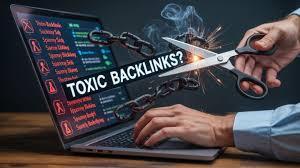
Explore The Impact of Toxic Backlinks on Domain Authority
Backlinks have long been considered one of the strongest signals of authority in search engine optimization. However, not all backlinks contribute positively to a website’s growth. In fact, some links can actively damage a site’s credibility, trust, and long-term visibility. These harmful connections, commonly referred to as toxic backlinks, can quietly undermine domain authority and destabilize rankings if left unmanaged. Understanding how toxic backlinks influence domain authority is essential for building a sustainable SEO strategy.
Understanding Domain Authority in Context
Domain Authority is a comparative metric designed to estimate how likely a website is to rank in search results based on its backlink profile. While it is not a direct ranking factor used by search engines, it reflects patterns that search engines evaluate, such as link quality, relevance, and trust. Therefore, changes in backlink quality often correlate with fluctuations in domain authority and organic performance.
However, domain authority does not increase simply by accumulating links. Instead, it improves when a website earns links that signal trust, relevance, and editorial value. Toxic backlinks operate in direct opposition to this principle.
What Are Toxic Backlinks?
Toxic backlinks are links originating from websites that exhibit low trust, manipulative behavior, or spam-driven patterns. These links are often created with the sole purpose of influencing rankings rather than providing value to users. Common sources include link farms, hacked sites, irrelevant directories, spun-content blogs, and networks built exclusively for SEO manipulation.
While a single toxic link may not cause immediate harm, patterns of low-quality backlinks can send negative signals over time. Search engines are designed to detect these patterns and adjust trust accordingly.
How Toxic Backlinks Lower Domain Authority
Domain authority is influenced by the overall health of a backlink profile. When toxic links become dominant or grow unnaturally fast, they dilute the perceived quality of a site’s link ecosystem. Instead of signaling credibility, they introduce doubt about how and why a site is being referenced across the web.
Over time, this imbalance reduces the effectiveness of genuine backlinks. Even strong editorial links may lose impact when surrounded by a high volume of toxic ones, slowing or reversing domain authority growth.
The Trust Erosion Effect
Search engines evaluate trust gradually. Toxic backlinks erode trust in subtle but persistent ways. Rather than triggering immediate penalties, they often result in reduced ranking stability, slower indexing of new pages, and weaker performance for competitive queries.
This erosion happens because search engines prioritize consistency and legitimacy. When backlinks appear artificial or irrelevant, they conflict with natural linking behavior, making the domain appear less reliable as an information source.
Toxic Backlinks and Ranking Volatility
One of the clearest symptoms of toxic backlinks is ranking instability. Pages may rank well temporarily, only to drop without clear on-page issues or algorithm updates. This happens because backlinks influence how confidently search engines rely on a domain.
A backlink profile polluted with toxic links creates uncertainty. As a result, rankings fluctuate more frequently, especially for keywords that require strong trust signals.
Why Toxic Links Are More Dangerous Than No Links
Interestingly, having no backlinks at all is often safer than having a large number of toxic ones. New or small websites with minimal backlinks can still grow steadily through strong content relevance, clear internal linking, and positive user engagement signals. Search engines are generally more forgiving of limited link data than of signals that suggest manipulation or spam.
Toxic backlinks, on the other hand, actively work against positive SEO signals. Instead of supporting trust, they introduce doubt into how search engines evaluate a website’s credibility. Even when content quality is high, toxic links can suppress ranking potential by weakening overall confidence in the domain.
This is why many experienced SEO professionals, including those at Top Digital Marketing Agencies, emphasize link quality audits before launching link-building campaigns. Preventing toxic links early is often more effective than trying to recover authority after damage has already occurred.
Common Ways Toxic Backlinks Accumulate
Toxic backlinks are not always the result of intentional manipulation. In many cases, they accumulate passively through automated scraping, spammy content syndication, or third-party websites copying links without editorial oversight. These links often go unnoticed until performance issues begin to surface.
Negative SEO attempts are another common cause, where competitors or malicious actors generate large volumes of spam links pointing to a site. While search engines have improved at detecting such behavior, persistent or extreme patterns can still distort backlink signals if left unmanaged.
Additionally, outdated SEO practices frequently resurface as long-term liabilities. Tactics such as mass directory submissions, article spinning, or private blog network links may have worked years ago but now contribute to toxic backlink profiles that undermine trust and authority.
Impact on Long-Term Authority Growth
Domain authority is cumulative and historical, meaning search engines evaluate how trust has been earned over an extended period. Toxic backlinks interrupt this process by introducing irregular and unnatural link behavior. As a result, authority growth becomes slower, uneven, and harder to sustain.
When backlink patterns lack consistency, search engines become more cautious in assigning trust. This often leads to weaker ranking signals, delayed improvements, and greater sensitivity to algorithm updates. Even strong content may struggle to reach its full potential under these conditions.
Even after toxic links are removed or disavowed, recovery takes time. Trust must be rebuilt gradually through consistent publishing, clean link acquisition, and stable user engagement. Long-term authority growth depends not only on fixing past issues but also on maintaining disciplined backlink hygiene moving forward.
The Relationship Between Toxic Backlinks and Algorithmic Filters
Search engines rely heavily on algorithmic filters rather than manual penalties. Toxic backlinks can trigger these filters, reducing the effectiveness of the entire backlink profile. Unlike penalties, filters are harder to diagnose because there is no explicit notification.
Sites affected by such filters often experience plateaued growth rather than sharp declines, making the issue harder to identify without detailed analysis.
How Toxic Backlinks Affect New vs Established Websites
New websites are more vulnerable to toxic backlinks because they lack historical trust signals. A small number of harmful links can disproportionately influence domain authority early on. Established websites, while more resilient, are not immune. Over time, unchecked toxic links can dilute even strong authority signals.
This makes backlink monitoring essential at every stage of website growth.
The Role of Relevance in Link Evaluation
Relevance is a core factor in backlink evaluation. Toxic backlinks often come from sites with no topical connection to the linked domain. This mismatch signals manipulation rather than editorial endorsement.
When search engines repeatedly encounter irrelevant backlinks pointing to a site, they reduce the weight of those links and may reassess the site’s overall authority profile.
Why Toxic Backlinks Undermine Editorial Links
Editorial backlinks are earned through valuable content and genuine references. However, their impact can be diminished when surrounded by a large volume of toxic links. Search engines assess backlink profiles holistically, not individually.
Therefore, even high-quality links perform best when supported by a clean, trustworthy link environment.
Identifying Toxic Backlinks Early
Early detection is crucial for protecting domain authority. Sudden spikes in backlinks, especially from low-quality domains, unusual anchor text patterns, or foreign-language sites unrelated to the niche are common warning signs.
Regular backlink audits allow website owners to identify patterns before they cause lasting damage.
Disavowing Toxic Backlinks and Authority Recovery
Disavowing toxic backlinks helps signal that a website does not endorse certain links. While this does not instantly restore domain authority, it prevents further trust erosion. Over time, as search engines re-evaluate the backlink profile, authority stabilization becomes possible.
However, disavowing should be done cautiously. Removing neutral or beneficial links by mistake can slow authority growth rather than improve it.
Why Content Quality Alone Is Not Enough
High-quality content is essential, but it cannot fully offset the damage caused by toxic backlinks. Search engines expect alignment between content quality and backlink behavior. When this alignment breaks, trust weakens.
Therefore, content strategy and backlink hygiene must work together to support domain authority growth.
Personal Observations from SEO Audits
From my experience working with multiple websites across different industries, I have consistently observed that sites struggling with stagnant domain authority often share one common issue: an unhealthy backlink profile. In several cases, removing or disavowing toxic backlinks led to noticeable improvements in ranking stability within months, even without aggressive link building.
Conversely, sites that ignored toxic backlinks continued to experience unpredictable performance despite publishing high-quality content. This reinforced the importance of trust consistency in SEO.
The Compounding Effect of Clean Backlinks
A clean backlink profile creates compounding benefits over time because trust builds gradually within search engines. As credibility strengthens, new content is indexed more efficiently, allowing pages to appear in search results faster. This improved crawl and indexing behavior helps websites gain visibility without relying on aggressive link-building tactics.
In addition, rankings tend to stabilize when backlinks reflect natural editorial references. Clean links reinforce relevance and authority, making search engines more confident in maintaining positions for competitive queries. As a result, organic performance becomes more predictable and less sensitive to minor algorithm changes.
Toxic backlinks disrupt this compounding cycle by introducing conflicting trust signals. Instead of reinforcing authority, they create friction that slows progress at every stage. Sustainable domain authority growth therefore depends on maintaining balance and consistency within the backlink profile over time.
Building Authority Without Toxic Risk
The safest way to grow domain authority is by focusing on relevance-driven content that genuinely addresses user intent. When content aligns with search behavior, it naturally attracts mentions and references from trustworthy sources. This approach reduces reliance on artificial link acquisition methods that often introduce toxic risks.
Internal linking also plays a critical role by distributing authority across important pages and reinforcing topical relationships. Combined with structured navigation and clear content hierarchy, internal links strengthen site-wide relevance signals without exposing the domain to external link manipulation.
Gradual editorial backlinks earned through value-based content further support long-term authority. Authority built slowly but cleanly may take more time, but it is far more resilient to algorithm updates and trust recalculations.
Long-Term SEO Stability and Backlink Hygiene
Toxic backlinks are not just a ranking concern; they directly affect long-term SEO stability. Websites with clean backlink profiles respond more predictably to algorithm updates because their trust signals remain consistent. This stability allows rankings to hold steady even during periods of industry-wide volatility.
In contrast, sites with toxic link histories often experience sudden fluctuations. Even minor algorithm refinements can expose weaknesses in backlink quality, leading to drops in visibility that are difficult to diagnose. These disruptions often occur despite strong content and technical optimization.
Maintaining backlink hygiene is therefore a long-term investment rather than a one-time fix. Regular audits, careful evaluation, and proactive cleanup help preserve trust and ensure sustainable search performance over time.
Conclusion
Toxic backlinks have a profound impact on domain authority by eroding trust, destabilizing rankings, and slowing long-term growth. While backlinks remain essential for SEO success, their quality and relevance matter far more than quantity. A clean, trustworthy backlink profile supports sustainable authority, while toxic links quietly undermine it.
By monitoring backlinks regularly, addressing toxic patterns early, and prioritizing genuine value-driven links, websites can protect their domain authority and build lasting search visibility.
FAQs (Frequently Asked Questions)
How do toxic backlinks affect domain authority over time?
Toxic backlinks weaken domain authority gradually by eroding trust signals. Instead of causing immediate drops, they often slow authority growth and reduce ranking stability. Over time, search engines may discount the entire backlink profile, making it harder for even quality links to contribute positively.
Can toxic backlinks exist without causing penalties?
Yes, many toxic backlinks do not cause direct penalties. Instead, they trigger algorithmic filters that reduce trust and link effectiveness. This results in stagnant rankings, slow indexing, and inconsistent visibility rather than sudden drops or manual actions.
Is disavowing toxic backlinks always necessary?
Disavowing is necessary when toxic backlinks show clear patterns of manipulation or irrelevance. However, not every low-quality link needs removal. Careful analysis is required to avoid disavowing links that are neutral or mildly beneficial.
How long does it take to recover domain authority after removing toxic backlinks?
Recovery depends on the severity and duration of toxic link exposure. In most cases, stabilization occurs within a few months, but significant authority recovery may take longer as search engines reassess trust signals over time.
Can a website rebuild authority after severe backlink damage?
Yes, authority can be rebuilt through consistent content quality, clean link acquisition, and proper backlink management. While recovery is gradual, a disciplined approach restores trust and supports long-term ranking stability.
Can toxic backlinks reduce my website’s crawl efficiency?
Yes, toxic backlinks can indirectly affect crawl efficiency. When search engines detect suspicious link patterns pointing to your domain, they may reassess how frequently and deeply they crawl your website. Reduced crawl trust can slow down indexing of new pages and updates, ultimately impacting your ability to rank quickly for new keywords.
Do toxic backlinks affect all pages equally?
Not necessarily. Toxic backlinks often target specific pages, such as homepages or high-ranking landing pages. However, because domain authority is measured at the domain level, widespread toxic links can influence the overall trust of the entire website. This means even unaffected pages may experience reduced ranking potential.
Can negative SEO attacks create toxic backlinks?
Yes, negative SEO attacks sometimes involve generating large volumes of spammy backlinks to a competitor’s site. While search engines are better at ignoring such tactics today, extreme or persistent attacks can still distort backlink patterns and impact authority signals, especially if left unmonitored for extended periods.
Are nofollow links considered toxic?
Nofollow links are not inherently toxic. In fact, they are often neutral because they instruct search engines not to pass ranking value. However, if a large portion of your backlink profile consists of spammy nofollow links from low-quality sources, it may still signal unnatural link behavior and influence trust assessments indirectly.
What is the difference between low-quality and toxic backlinks?
Low-quality backlinks come from weak or less authoritative sites but are not necessarily harmful. Toxic backlinks, on the other hand, originate from domains associated with spam, manipulation, malware, or link schemes. Toxic links pose a higher risk to domain authority and require closer evaluation or possible disavowal.

 Arabic
 French
 Spanish
 Portuguese
 Deutsch
 Turkish
 Dutch
Dutch
 Italiano
 Russian
 Romaian
 Portuguese (Brazil)
 Greek
Greek