


Common Reasons Your Spam Score Is Increasing
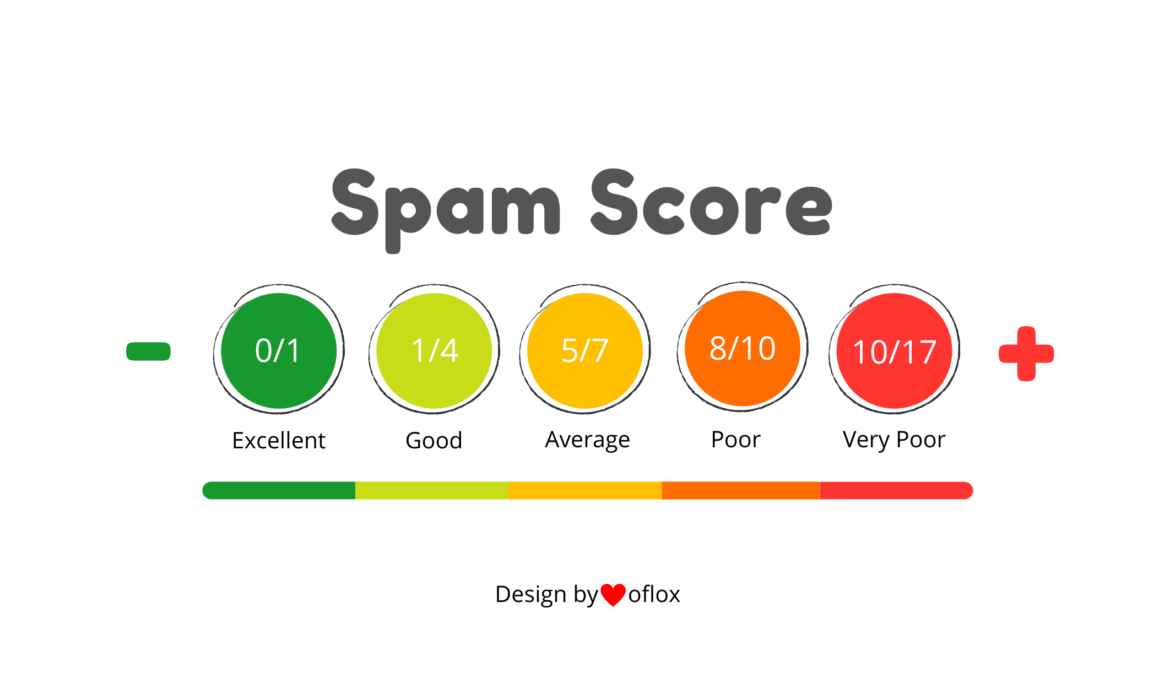
Top Common Reasons Your Spam Score Is Increasing
In the world of SEO, maintaining a healthy website reputation is critical. One metric that website owners and marketers often monitor is the spam score, a Moz metric that estimates the likelihood of a site being penalized by search engines due to spammy practices or low-quality signals. A rising spam score can indicate potential issues that may negatively affect your rankings, domain authority, and trustworthiness. Understanding the reasons behind an increasing spam score is essential for safeguarding your website and improving long-term SEO performance.
Monitoring spam scores is especially crucial for businesses that rely on organic traffic for visibility and growth. High spam scores can trigger algorithmic penalties, lower referral traffic, and reduce overall domain authority. In this blog, we will explore the most common reasons your spam score may be increasing, how to identify these issues, and strategies to mitigate the risks effectively.
What is Spam Score?
Spam score is a metric developed by Moz that evaluates a website against a set of factors historically associated with penalized or low-quality sites. The score ranges from 0 to 17, with a higher number indicating a higher risk of spammy signals. Factors contributing to a high spam score include manipulative backlinks, thin content, keyword stuffing, and other black-hat SEO practices.
It’s important to note that spam score is not a Google ranking metric but a predictive tool. A high spam score does not automatically result in penalties, but it often correlates with behaviors that Google flags as low-quality. By monitoring this score, website owners can proactively address potential issues before they negatively impact search performance.
Common Reasons Your Spam Score Is Increasing
1. Low-Quality or Spammy Backlinks
One of the most significant contributors to a high spam score is backlinks from low-quality, irrelevant, or spammy websites. Links from private blog networks, link farms, or sites with high spam scores themselves can trigger an increase. Google’s algorithms, such as Penguin, detect unnatural link patterns, so maintaining a clean backlink profile is crucial.
2. Over-Optimized Anchor Text
Using the same keyword-rich anchor text excessively across your backlinks can appear manipulative to search engines. This over-optimization raises the spam score and may result in reduced trust signals. Varying anchor text naturally, including branded and generic terms, helps maintain a healthier profile.
3. Thin or Low-Value Content
Websites with pages that contain very little original content, duplicate content, or automatically generated content are considered low quality. Search engines favor informative, user-focused content, and thin content not only reduces rankings but also contributes to higher spam scores.
4. Excessive Use of Exact Match Keywords
Keyword stuffing, particularly in titles, meta descriptions, and headings, can raise spam scores. Overuse of exact match keywords signals manipulative SEO practices, as search engines now prioritize semantic relevance and natural language over exact keyword repetition.
5. Hidden Text or Cloaking Techniques
Using hidden text, invisible links, or cloaking (showing different content to users and search engines) is a black-hat SEO practice that directly increases the spam score. Search engines penalize sites employing these techniques, and monitoring for these issues is essential for long-term site health.
6. Excessive Affiliate Links Without Value
Affiliate websites that only provide links without substantial original content or user value are often flagged as spammy. Sites relying heavily on affiliate links without proper context or added information risk increasing their spam score and losing organic trust.
7. Poor Domain History
Acquiring a previously penalized or spammy domain can inherit historical issues that influence your spam score. Even if your current content is high quality, the domain’s past may contribute to elevated risk signals, necessitating thorough backlink audits and content improvements.
8. High Number of Outbound Links to Low-Quality Sites
Linking out excessively to low-authority or spammy websites can impact your site’s credibility. While outbound links to reputable sources are positive, linking to irrelevant or low-quality sites signals manipulative SEO behavior and contributes to a rising spam score.
9. Irregular Website Updates
Stagnant websites with infrequent content updates may appear inactive or low-value to search engines. Regularly publishing high-quality content helps maintain trust, keeps engagement high, and indirectly prevents spam score inflation.
10. User-Generated Spam
Forums, comment sections, and other user-generated content can introduce spammy links or irrelevant content. Without moderation or proper nofollow attributes, these can increase the website’s spam score and negatively affect trust metrics.
How to Monitor and Manage Your Spam Score
Monitoring your spam score is essential to maintain a healthy backlink profile and site reputation. Tools like Moz, Ahrefs, and SEMrush can help identify potential issues contributing to an increasing spam score. Key steps to manage your spam score include:
-
Regular Backlink Audits: Identify and remove or disavow harmful backlinks that may trigger spam signals.
-
Content Quality Improvements: Replace thin content with original, informative, and engaging material.
-
Anchor Text Variation: Ensure natural distribution of keywords, branded terms, and generic phrases.
-
Moderation of User Content: Manage comment sections and forums to prevent spam from affecting your website.
-
Technical SEO Checks: Eliminate hidden text, cloaking, and other manipulative practices that can raise spam indicators.
The Importance of Strategic Link Management
Disavowing spammy links, combined with proactive outreach to authoritative sites, ensures your website’s backlink profile remains healthy. High-quality backlinks strengthen domain authority and trust, while spammy links contribute to penalties and elevated spam scores. Many Best SEO Agency emphasize that strategic link management, balancing disavowal with new authoritative links, is key to long-term ranking success.
Personal Insights from Experience
From my experience working with clients and businesses, I have noticed that websites often experience rising spam scores when link-building campaigns are aggressive and unmonitored. In several cases, clients focusing on quality content, on-page SEO, and natural backlink acquisition maintained low spam scores while achieving consistent ranking improvements.
Ignoring spam score metrics can lead to long-term issues. Even websites with excellent content and strong authority can suffer if spammy backlinks or manipulative SEO practices are allowed to persist. A proactive approach, combining regular audits, content improvements, and careful link management, results in healthier websites, better search visibility, and lower risk of penalties.
Best Practices to Reduce Spam Score
-
Perform Regular Audits: Review your backlinks and remove or disavow low-quality links.
-
Focus on Quality Content: Ensure every page provides value, context, and engagement for users.
-
Diversify Anchor Text: Use a mix of branded, generic, and long-tail keywords naturally.
-
Moderate User-Generated Content: Implement nofollow attributes and prevent spammy posts.
-
Avoid Black-Hat SEO Practices: No hidden text, cloaking, or manipulative link schemes.
-
Monitor Domain History: Be cautious when purchasing expired or previously penalized domains.
-
Engage with High-Quality Link Sources: Outreach to reputable sites in your niche for natural link acquisition.
Conclusion
An increasing spam score is a warning signal that your website may be engaging in low-quality or manipulative SEO practices. Factors such as spammy backlinks, thin content, over-optimized anchor text, hidden links, and unmoderated user content can all contribute to rising scores. Addressing these issues proactively protects your domain authority, maintains trust with search engines, and ensures long-term ranking stability.
By combining regular audits, strategic link management, high-quality content creation, and technical SEO improvements, website owners can reduce spam scores and strengthen overall SEO performance. Monitoring your spam score should be part of every comprehensive SEO strategy, and businesses that act early often enjoy better search visibility, higher user engagement, and a lower risk of penalties.
Frequently Asked Questions (FAQs)
What is a spam score, and why does it matter?
Spam score is a Moz metric that predicts the likelihood of a website being penalized due to spammy practices or low-quality backlinks. It helps identify potential risks in your SEO strategy, allowing you to take corrective measures before penalties impact rankings or trust signals.
How can low-quality backlinks increase my spam score?
Backlinks from irrelevant, spammy, or low-authority sites can signal manipulative SEO behavior to search engines. Excessive or unnatural linking patterns contribute to a higher spam score and may trigger algorithmic penalties, harming rankings and domain authority.
Can user-generated content affect spam score?
Yes, unmoderated user-generated content, such as comments or forum posts containing spammy links, can increase your spam score. Proper moderation, nofollow attributes, and filtering tools help prevent these links from affecting your website’s trust and SEO metrics.
How do I lower my spam score effectively?
To reduce spam score, perform regular backlink audits, disavow harmful links, focus on high-quality content, vary anchor text naturally, moderate user content, and avoid black-hat SEO practices. Consistent monitoring and proactive adjustments maintain site authority and trust.
Do high spam scores impact Google rankings directly?
While spam score is a Moz metric and not a direct Google ranking factor, it often correlates with practices that can trigger penalties. High spam scores indicate potential risks, and ignoring them may lead to ranking drops, reduced authority, and decreased organic visibility.
How often should I check my website’s spam score?
It’s recommended to check your website’s spam score every 2–3 months, especially if you actively build backlinks. Regular monitoring helps identify sudden increases caused by low-quality links, spammy user content, or manipulative SEO practices, allowing you to address issues before they impact rankings.
Can disavowing links help lower my spam score?
Yes, disavowing harmful or low-quality backlinks can help reduce your spam score over time. By signaling to search engines that you do not endorse these links, you minimize negative SEO signals, protect domain authority, and maintain trust, all of which support long-term ranking stability.
Does thin content directly affect spam score?
Absolutely. Pages with little original content, duplicate material, or automatically generated text signal low value to search engines. Thin content not only increases your spam score but also reduces user engagement and ranking potential. Creating high-quality, informative content mitigates this risk.
Are all backlinks considered equal in spam score calculations?
No, spam score evaluates the quality, relevance, and trustworthiness of backlinks. Links from spammy or low-authority sites increase your score, while natural, authoritative backlinks do not. Maintaining a clean, diverse backlink profile is essential to keep your spam score low.
Can website design or technical issues influence spam score?
Indirectly, yes. Poor technical SEO, slow page speed, broken links, and excessive hidden content can signal low-quality practices. While not primary contributors, these factors combined with other risks can elevate your spam score. Ensuring technical health helps reduce risk signals.

 English
 Arabic
 French
 Spanish
 Portuguese
 Deutsch
 Turkish
 Dutch
Dutch
 Italiano
 Russian
 Romaian
 Portuguese (Brazil)