


The Fog of War Economy: How Global Conflicts Are Reshaping Trade in 2026
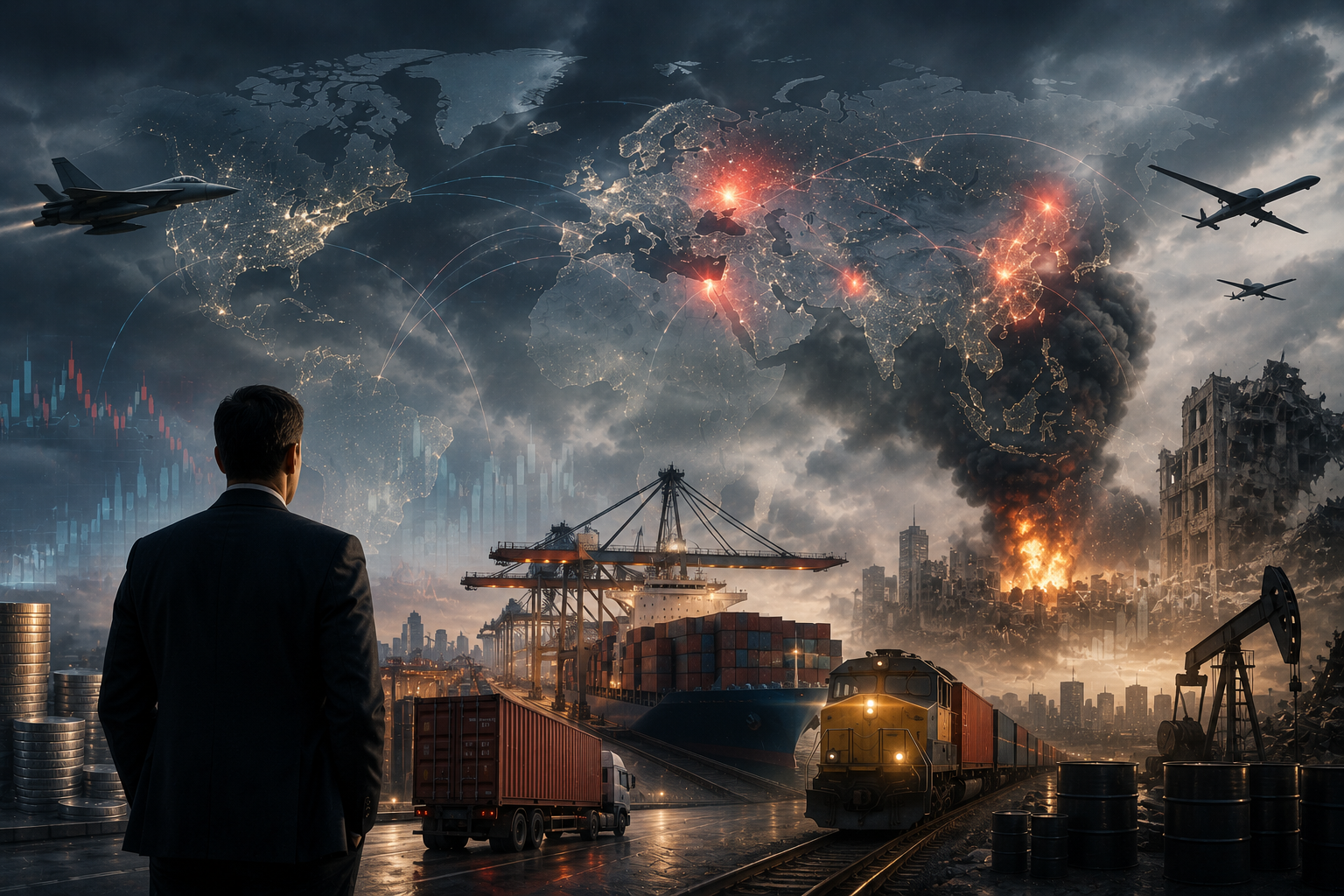
Global trade has always been influenced by politics, alliances, and regional tensions. But in recent years, conflicts have become more frequent and more disruptive. Wars, border disputes, economic sanctions, and rising military competition are creating uncertainty across international markets. This uncertainty is now affecting supply chains, shipping routes, global investments, and trade agreements.
In 2026, the world economy is operating under what many analysts describe as a “fog of war” environment. Businesses and governments are finding it harder to predict trade conditions. Companies that once relied on stable global trade networks are now forced to adjust their strategies.
This article explains how global conflicts are reshaping international trade in 2026 and what businesses and economies should understand about the future of global commerce.
Why Global Conflicts Are Affecting Trade More Than Before
Modern trade depends on interconnected systems. A product manufactured in one country may require raw materials from another and shipping through multiple regions before reaching consumers. This system works well during stable times, but conflicts disrupt it immediately.
In 2026, global conflicts are affecting trade because they create instability in key regions. When trade routes become unsafe, shipping costs rise and delivery times increase. Political tensions also lead to sanctions, restrictions, and reduced cooperation between nations.
Another reason conflicts have a stronger impact today is globalization. Countries depend on each other more than ever. A disruption in one region can quickly affect markets worldwide.
Supply Chain Disruptions Are Becoming Normal
One of the biggest trade changes caused by conflict is supply chain disruption. Many industries rely on global suppliers for materials, technology components, and manufacturing services. When conflict occurs, businesses face delays, shortages, and higher production costs.
For example, global conflicts can reduce the supply of oil, gas, minerals, and agricultural products. If a region becomes unstable, companies may lose access to important resources. This creates price increases and slows down manufacturing.
In 2026, many companies are moving away from “just-in-time” supply chains. Instead, they are building larger inventories and diversifying suppliers to reduce dependency on one country or region.
This shift is making trade more expensive, but it is also improving long-term stability.
Energy Markets Are Reshaping Global Trade Patterns
Energy is one of the most sensitive sectors during conflict. When war or political tension affects oil and gas supply, energy prices rise quickly. Higher energy costs increase the price of transportation, manufacturing, and agriculture.
In 2026, energy insecurity is changing global trade patterns. Countries are seeking new energy suppliers and reducing dependence on unstable regions. Many nations are signing long-term agreements for oil, gas, and renewable energy cooperation.
Energy conflicts also influence shipping routes. For example, instability in key regions can disrupt fuel supply and create higher costs for global logistics companies.
This is why many countries are investing in renewable energy and alternative fuel systems. The goal is to reduce the impact of conflict-driven energy price shocks.
Sanctions and Trade Restrictions Are Increasing
Sanctions have become one of the most powerful tools in global politics. When countries impose sanctions, they restrict trade, financial transactions, and investment flows.
In 2026, sanctions are affecting global trade in major ways. Businesses that once operated freely across borders now face restrictions on selling products, buying materials, or transferring money internationally.
Sanctions also create uncertainty. Companies hesitate to invest in regions where political tensions could lead to future restrictions. This reduces international business expansion and slows economic growth.
Some countries are responding by building trade alliances with alternative partners. This is creating new economic blocks and reducing reliance on traditional Western trade systems.
Shipping Routes and Maritime Security Challenges
Global shipping is one of the most important parts of trade. Around 80% of international trade moves through sea routes. When conflicts affect maritime regions, global trade becomes slower and more expensive.
In 2026, security concerns are increasing in major shipping areas. Businesses must pay higher insurance costs, and shipping companies may avoid dangerous routes.
When major sea routes are disrupted, trade is forced to use longer alternatives. This increases fuel costs and delivery times. These delays impact everything from electronics and clothing to food supplies.
As a result, global logistics companies are investing in stronger security systems, route planning technology, and regional shipping networks.
The Shift Toward Regional Trade and Local Manufacturing
One major trend in 2026 is the shift away from full globalization toward regional trade. Many businesses are trying to reduce dependency on far-away suppliers and instead build regional production systems.
For example, companies in Europe are increasing trade within Europe. Asian countries are strengthening regional supply chains. North America is also investing more in local manufacturing.
This trend is known as “nearshoring” or “friendshoring,” where businesses move production closer to their home markets or to politically stable allied countries.
Regional trade reduces risk, but it also increases costs because local production is often more expensive than outsourcing to low-cost countries.
Defense Spending Is Changing Industrial Production
Global conflicts increase defense spending. Governments invest heavily in weapons, military technology, and security systems. This changes industrial priorities.
In 2026, defense-related industries are growing, and many countries are expanding local production of military equipment. This increases demand for metals, electronics, and advanced manufacturing tools.
As defense spending rises, some industries may face shortages of raw materials because resources are redirected toward military production. This impacts trade and manufacturing costs in civilian markets.
This trend also creates new opportunities for technology companies working in cybersecurity, drones, and surveillance systems.
Inflation and Rising Costs Are Affecting Consumer Trade
Global conflicts often create inflation. When supply chains are disrupted and energy prices rise, the cost of goods increases.
In 2026, inflation is shaping trade because consumers are spending differently. People reduce spending on luxury goods and focus more on essentials. This changes global demand patterns.
Companies also face higher production costs, which forces them to increase prices or reduce product quality. Retail markets become more competitive, and businesses must find cost-saving strategies.
Inflation also affects global trade agreements because governments may introduce protectionist policies to protect local industries.
Digital Trade and Cyber Warfare Concerns
Digital trade is becoming more important. Many businesses now sell services online, including software, consulting, education, and digital products.
However, conflicts are also increasing cyber warfare. Cyberattacks on financial systems, government networks, and supply chain platforms can disrupt trade without physical warfare.
In 2026, cybersecurity is becoming a major part of trade strategy. Companies must protect digital payment systems, customer data, and logistics platforms.
Governments are also investing in cyber defense systems to protect national infrastructure. Digital trade will continue growing, but it will require stronger security measures.
Currency Instability and Financial Risk in Global Markets
Conflicts often create currency instability. When political tension increases, investors move money toward safer currencies. This affects exchange rates and trade costs.
In 2026, businesses dealing with international trade must manage currency risk carefully. Currency fluctuations can change profit margins and increase import/export costs.
Some countries are also trying to reduce dependence on the US dollar for trade. They are using local currencies or alternative payment systems. This could gradually change how global trade operates.
However, shifting away from the dollar is a slow process and requires stable financial systems and trust between trading partners.
New Global Alliances and Trade Blocks Are Emerging
As conflicts reshape political relationships, new trade alliances are forming. Countries are choosing partners based on strategic and economic interests.
In 2026, global trade is becoming more divided. Some nations are strengthening ties with regional allies, while others are building new partnerships in Asia, Africa, and the Middle East.
This shift may reduce the influence of traditional trade powers and create new global economic centers.
For businesses, this means trade opportunities may expand in new markets, but regulations and political risks will also increase.
Conclusion
The “fog of war economy” is becoming a major reality in 2026. Global conflicts are reshaping trade through supply chain disruptions, rising energy costs, sanctions, inflation, and shipping insecurity. Businesses and governments are responding by strengthening regional trade, investing in local manufacturing, and improving cybersecurity.
These changes are reducing the stability of global commerce, but they are also creating new trade opportunities in emerging markets and regional alliances.
In the future, global trade will continue, but it will be more complex, more expensive, and more influenced by political and security factors. Companies that adapt early, diversify supply chains, and manage risks effectively will be better prepared to survive and grow in the changing global economy.
Frequently Asked Questions (FAQs)
Why do global conflicts affect international trade?
Conflicts disrupt shipping routes, increase energy prices, create sanctions, and reduce economic stability, which impacts global trade systems.
What is nearshoring in global trade?
Nearshoring means shifting production closer to home markets or nearby countries to reduce supply chain risk and dependency on distant suppliers.
How do sanctions reshape trade in 2026?
Sanctions restrict trade and financial transactions, forcing businesses to find new markets and alternative supply chain partners.
Why is cybersecurity important for global trade?
Cyberattacks can disrupt logistics systems, financial transactions, and supply chain networks, causing major trade delays and losses.
Will globalization decline because of conflicts?
Globalization may not disappear, but it is shifting toward regional trade networks and more controlled supply chains due to conflict-related risks.

 English
 Arabic
 Spanish
 Portuguese
 Deutsch
 Turkish
 Dutch
Dutch
 Italiano
 Russian
 Romaian
 Portuguese (Brazil)
 Greek
Greek