


Condo Automation in Canada: How Smart Building Control Is Changing Urban Living
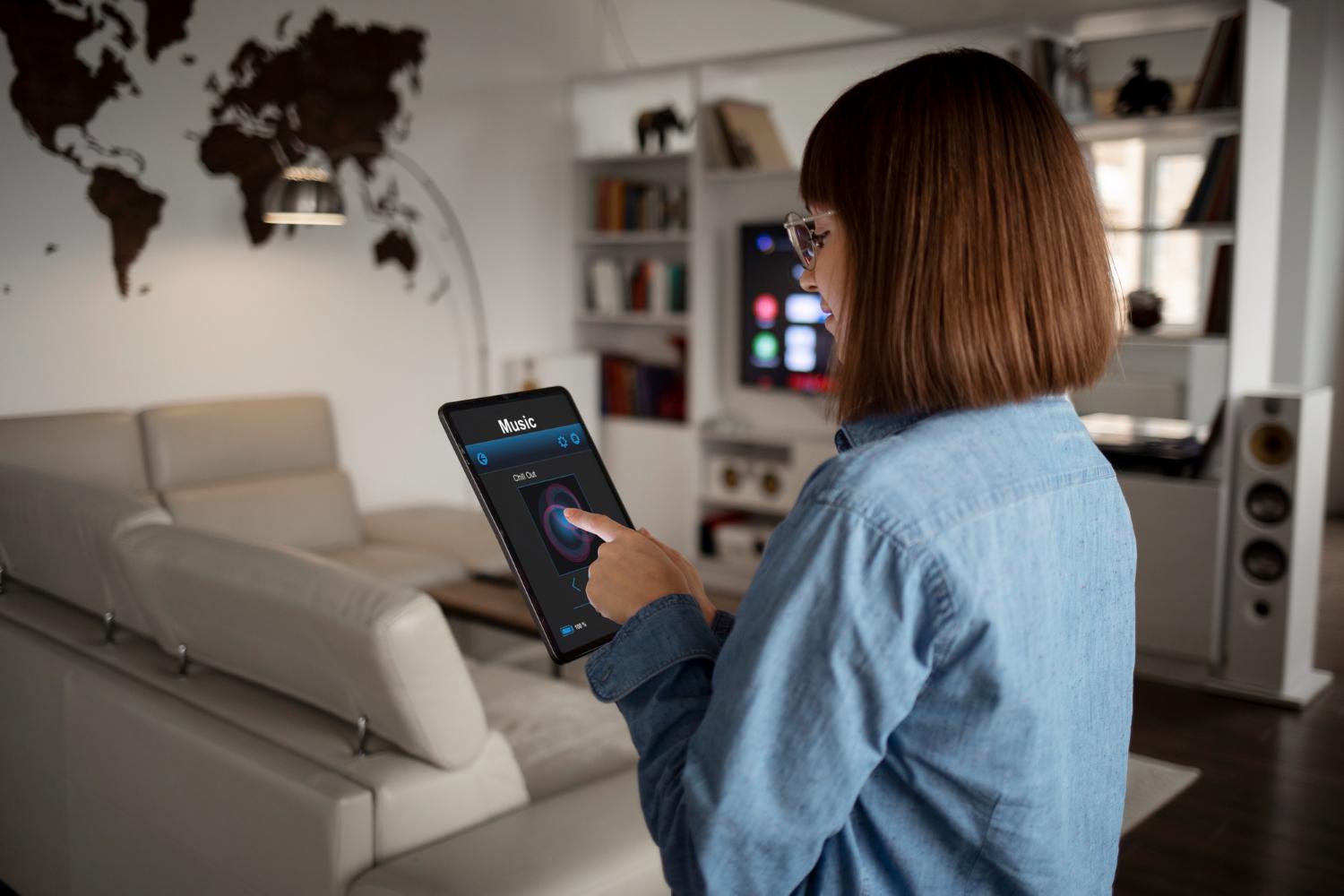
Condo automation refers to the integration of connected systems and technologies within condominium units and shared residential buildings to manage and control various functions such as lighting, climate, security, access, and energy usage. In Canada, condo automation is becoming increasingly relevant as urban populations grow and condominium living continues to expand in major cities and surrounding areas.
Unlike standalone home systems, condo automation operates within a shared infrastructure, which means it must balance individual unit control with building-wide coordination. This combination of private and collective management makes condo automation a unique application of smart building technology.
Understanding Condo Automation Systems
Condo automation typically involves a network of interconnected devices that allow residents and building managers to monitor and control different aspects of the living environment. These systems may include sensors, centralized control units, and digital interfaces that communicate across both individual units and common areas.
At the unit level, condo automation can manage lighting, temperature, appliances, and security features. At the building level, it may extend to shared systems such as entry access, elevators, parking facilities, and energy distribution. The goal is to create a more efficient and responsive residential environment that supports both individual comfort and collective building performance.
In Canada, where condominium living is common in urban centres, condo automation is increasingly viewed as a practical approach to managing complex residential structures.
Growth of Condo Automation in Canadian Cities
The adoption of condo automation in Canada is closely linked to urban development trends. Cities such as Toronto, Vancouver, Calgary, and Montreal have seen significant growth in high-rise residential buildings. As these structures become more complex, the need for integrated management systems has increased.
Condo automation helps address challenges associated with high-density living. In buildings with hundreds of units, manual management of systems such as lighting, security, and energy distribution can be inefficient. Automation allows these systems to operate more smoothly and consistently.
Another contributing factor is the increasing expectation of digital convenience among residents. Many individuals now expect the ability to control aspects of their living environment through connected interfaces. Condo automation supports this expectation by providing centralized access to multiple building functions.
Core Components of Condo Automation
A condo automation system typically consists of several key components working together:
1. Sensors and Monitoring Devices
These devices collect data related to temperature, motion, occupancy, energy use, and environmental conditions. They form the foundation of automation by providing real-time information.
2. Central Control Systems
These systems process data from sensors and coordinate responses. They may operate at both the unit level and building-wide level, depending on the design of the system.
3. Access Control Systems
Condo automation often includes digital entry systems that regulate access to buildings, parking areas, and shared facilities. These systems enhance security while simplifying entry management.
4. Energy Management Systems
Energy usage in multi-unit buildings can be optimized through automated monitoring and control of lighting, heating, and cooling systems across common areas and individual units.
5. User Interfaces
Residents and building managers interact with condo automation systems through digital interfaces. These may allow real-time monitoring and adjustment of settings within their authorized access level.
Benefits of Condo Automation in Canada
Condo automation offers several advantages that are particularly relevant in the Canadian residential context.
One of the primary benefits is improved energy efficiency. In large condominium buildings, energy consumption can be significant due to shared systems and multiple units. Automation allows for better regulation of heating, cooling, and lighting based on occupancy and demand.
Another benefit is enhanced security. Automated access control systems and monitoring tools help manage entry points and detect unusual activity. This is especially important in high-density residential buildings where multiple residents and visitors share common spaces.
Condo automation also improves operational efficiency for building management. By centralizing control of key systems, it becomes easier to monitor performance, identify issues, and respond to maintenance needs.
For residents, convenience is a major advantage. The ability to adjust environmental settings, manage access, and receive alerts about building conditions contributes to a more streamlined living experience.
Challenges of Condo Automation Implementation
Despite its advantages, condo automation also presents several challenges.
One of the main issues is system complexity. Coordinating automation across multiple units and shared building infrastructure requires careful planning and integration. Inconsistent system compatibility can lead to inefficiencies or limitations in functionality.
Privacy is another important concern. Since condo automation systems often involve monitoring and data collection, there must be clear boundaries regarding what information is collected and how it is used. Residents may have varying levels of comfort with data-driven systems.
Cost is also a consideration. Implementing condo automation in large buildings can require significant investment in infrastructure, installation, and maintenance. These costs may be distributed among residents or managed by building associations.
Additionally, technical reliability is essential. Since many functions depend on digital systems and network connectivity, disruptions can impact building operations and resident experience.
Role of Condo Automation in Energy Management
Energy efficiency is one of the most significant applications of condo automation in Canada. In multi-unit buildings, heating and cooling systems account for a large portion of energy consumption. Automation helps regulate these systems more effectively by adjusting output based on real-time occupancy and environmental conditions.
Lighting systems in common areas can also be automated to reduce unnecessary usage. For example, hallways, parking garages, and shared facilities can adjust lighting levels based on motion detection or time schedules.
Water usage and waste management systems may also be integrated into broader automation frameworks in some modern buildings, contributing to more sustainable operations.
Impact on Urban Living Experience
Condo automation is influencing how residents experience urban living in Canada. As buildings become more technologically integrated, the role of automation extends beyond convenience to include safety, sustainability, and efficiency.
Residents benefit from greater control over their immediate environment, while building managers gain tools to oversee complex systems more effectively. This dual-level control structure supports the needs of both individuals and communities within the same building.
In densely populated urban areas, condo automation also helps optimize shared resources, reducing waste and improving overall building performance.
Future Outlook of Condo Automation in Canada
The future of condo automation in Canada is expected to involve deeper integration and more intelligent systems. As technology evolves, automation is likely to become more predictive, adapting to resident behavior and environmental conditions without direct input.
Interoperability between systems is also expected to improve, allowing different technologies within a building to communicate more effectively. This could simplify management and reduce system fragmentation.
Sustainability will remain a key focus. Condo automation is likely to play an increasing role in helping buildings meet environmental standards by optimizing energy and resource usage.
As urban populations continue to grow, condo automation may become a standard feature in new residential developments, shaping the future of high-density living in Canadian cities.
Conclusion
Condo automation represents a significant shift in how residential buildings operate in Canada. By integrating digital systems into both individual units and shared infrastructure, it allows for more efficient, secure, and responsive building management.
While challenges such as complexity, privacy, and cost remain, the continued development of automation technologies is expected to improve functionality and accessibility. As a result, condo automation is likely to play an increasingly important role in shaping modern urban living environments across Canada.

 English
 Arabic
 French
 Spanish
 Portuguese
 Deutsch
 Turkish
 Italiano
 Russian
 Romaian
 Portuguese (Brazil)
 Greek
Greek