


Inside a Wound Care Clinic: How diabetic foot ulcer specialists Deliver Advanced Care
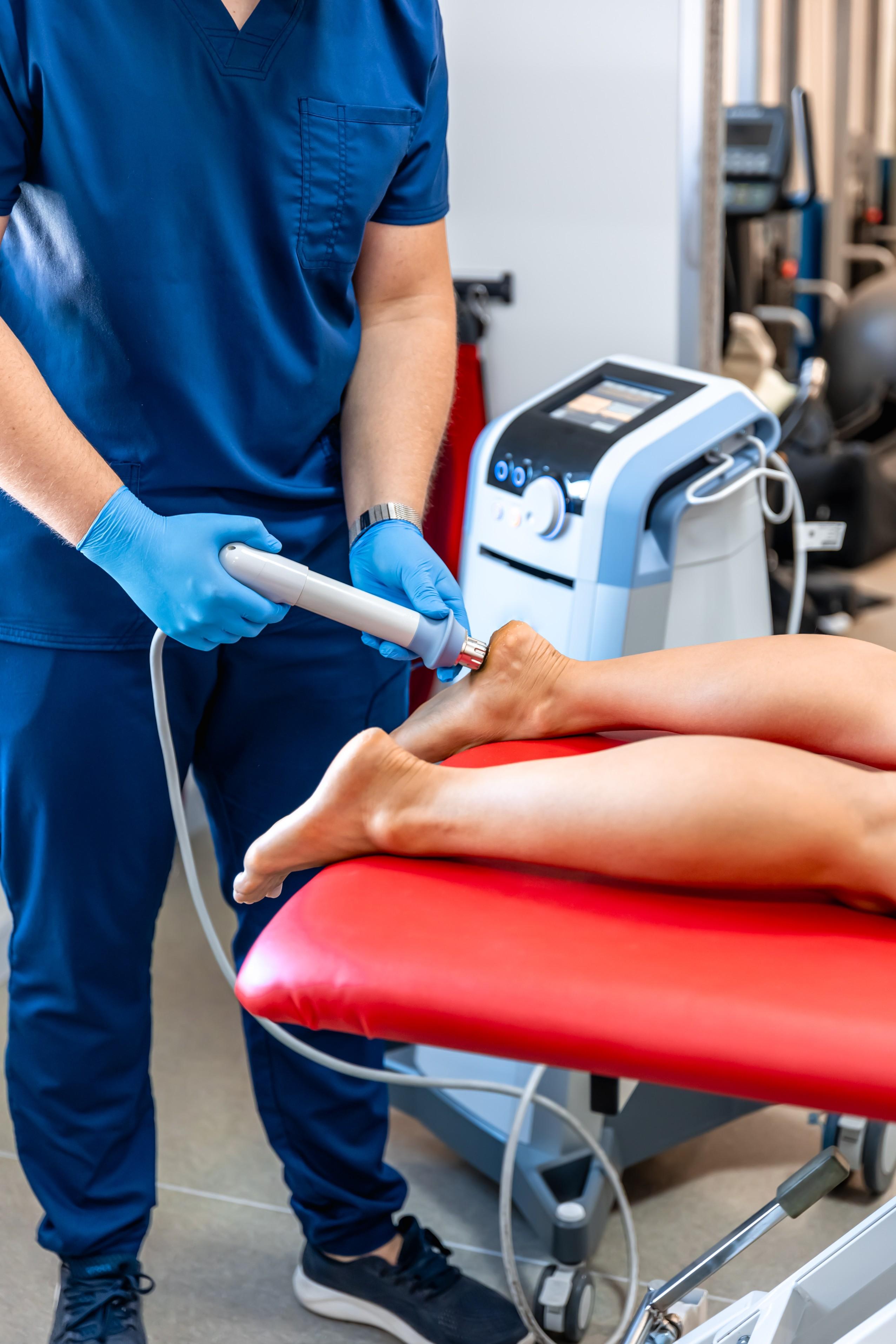
For many patients, the idea of visiting a wound care clinic brings uncertainty. What actually happens inside? How is care delivered? And what makes specialist-led environments different from regular consultations? Understanding the clinical setting where diabetic foot ulcer specialists work can help patients feel more prepared and confident about their treatment journey.
This blog offers an inside look at how care is structured within a wound-focused environment, highlighting the processes, systems, and approach that define specialist-driven care.
What Is a Wound Care Clinic?
A wound care clinic is a dedicated healthcare setting focused on managing complex wounds, including diabetic foot ulcers. Unlike general clinics, these environments are designed specifically for detailed assessment, continuous monitoring, and structured care delivery.
Within such settings, diabetic foot ulcer specialists operate using organized protocols that ensure consistency and accuracy in treatment.
The Clinical Environment: What Makes It Different
The environment in a specialist clinic is designed to support precision and efficiency.
Key characteristics include:
- Structured patient flow
- Dedicated wound assessment areas
- Tools for detailed evaluation
- Systems for tracking healing progress
- Focused care routines
This setup allows diabetic foot ulcer specialists to work with greater clarity and control.
Step-by-Step Flow Inside the Clinic
Understanding the patient journey inside a clinic helps remove uncertainty.
Step 1: Intake and Case Documentation
When a patient arrives, the first step involves recording detailed information about their condition.
This includes:
- Current wound status
- Duration of the ulcer
- Medical background
- Previous treatments
- Risk indicators
Accurate documentation helps maintain continuity of care.
Step 2: Structured Clinical Assessment
Unlike general check-ups, assessments in these clinics follow a structured format.
Diabetic foot ulcer specialists evaluate:
- Wound dimensions and depth
- Tissue quality
- Signs of infection
- Skin condition
- Pressure zones
Each parameter is carefully recorded for comparison over time.
Step 3: Risk Categorization
Patients are often grouped based on risk levels. This helps determine how intensive the care plan should be.
Risk categories may consider:
- Severity of the wound
- Circulation status
- Nerve function
- History of previous ulcers
- Healing response
This systematic classification ensures appropriate care intensity.
Step 4: Care Planning in a Controlled Setting
Once assessment is complete, specialists design a care plan based on clinical findings.
This plan may include:
- Monitoring schedule
- Wound care strategy
- Pressure management approach
- Preventive recommendations
The focus is on structured and measurable progress.
Step 5: Ongoing Monitoring Systems
One of the biggest advantages of clinic-based care is continuous monitoring.
Diabetic foot ulcer specialists track:
- Changes in wound size
- Tissue response
- Signs of improvement or deterioration
- Impact of pressure adjustments
Regular tracking helps refine the approach when needed.
How Specialists Use Clinical Systems
In a wound care clinic, care is not random—it is system-driven.
These systems may include:
- Progress tracking charts
- Comparative assessments
- Scheduled evaluations
- Standardized care protocols
This organized approach ensures consistency across visits.
Focus on Controlled Healing Environment
A key advantage of clinic-based care is the controlled environment.
This helps:
- Maintain hygiene standards
- Reduce contamination risk
- Ensure proper wound handling
- Improve consistency in care delivery
Such conditions are difficult to replicate outside a clinical setting.
Role of Observation in Specialist Care
Observation is a major part of how diabetic foot ulcer specialists work within clinics.
They pay close attention to:
- Subtle changes in tissue
- Early signs of complications
- Healing patterns over time
- Patient response to care
This level of observation supports timely decision-making.
Coordination Within the Clinical Setup
Care inside a wound clinic often involves coordinated efforts.
Even though the specialist leads the process, the environment supports:
- Organized scheduling
- Consistent follow-ups
- Efficient patient flow
- Clear documentation
This coordination improves overall care quality.
How Clinics Support Patient Consistency
Consistency is one of the biggest challenges in managing diabetic foot ulcers. Clinics are structured to support routine and discipline.
They encourage:
- Regular visits
- Timely reassessments
- Adherence to care plans
- Ongoing patient engagement
This structured system improves patient commitment.
Why Clinic-Based Care Improves Outcomes
The design and workflow of wound care clinics offer several advantages:
- Better tracking of healing progress
- Faster identification of complications
- Consistent care delivery
- Reduced variability in treatment
- Improved patient follow-through
These factors contribute to more reliable outcomes when working with diabetic foot ulcer specialists.
Common Misconceptions About Wound Clinics
Some patients assume:
- Clinics are only for severe cases
- Visits are complicated or time-consuming
- Care is similar to general consultations
In reality, clinic-based care is more organized and focused.
Patient Experience Inside the Clinic
Most patients notice:
- More detailed evaluations
- Structured communication
- Clear tracking of progress
- Better understanding of their condition
This often leads to increased confidence in care.
FAQs
1. What happens inside a wound care clinic?
Patients undergo structured assessment, risk evaluation, and continuous monitoring.
2. Are wound clinics only for serious ulcers?
No, they can manage both early and advanced conditions.
3. How are clinics different from general consultations?
They follow a more organized and specialized approach.
4. Do I need regular visits?
Yes, consistent monitoring is important for progress tracking.
5. Why do diabetic foot ulcer specialists prefer clinic-based care?
Because it allows controlled, consistent, and accurate management of wounds.
Conclusion
A wound care clinic offers a structured and focused environment where diabetic foot ulcer specialists can deliver precise and consistent care. From detailed assessments to ongoing monitoring systems, every step is designed to support healing and reduce complications. Understanding what happens inside these clinics helps patients feel more confident and prepared for their treatment journey. With organized processes and expert oversight, clinic-based care plays a vital role in improving outcomes for diabetic foot ulcers.

 Arabic
 French
 Spanish
 Portuguese
 Deutsch
 Turkish
 Dutch
Dutch
 Italiano
 Russian
 Romaian
 Portuguese (Brazil)
 Greek
Greek