


Coffee Market gains from hybrid work home brewing habits
Coffee Trends Shaping Consumer Choices in 2026
Coffee remains one of the world’s most dynamic everyday beverages, evolving far beyond a simple morning ritual. In 2026, consumers are looking for better taste, cleaner sourcing, convenience, and personalized experiences. From premium coffee beans to ready-to-drink formats, the category is being reshaped by younger buyers, digital commerce, and innovation in brewing. Whether someone prefers a rich espresso, refreshing cold brew, or quick instant coffee, the market now offers more variety than ever before. Industry analysts note continued expansion across both mature and emerging regions, with specialty formats and premium products leading momentum.
One of the clearest trends is the premiumization of coffee. Buyers increasingly want origin-specific products, transparent sourcing, and superior flavor profiles. This has strengthened demand for arabica, widely recognized for its smoother taste, aroma complexity, and balanced acidity. Many specialty roasters now highlight farm location, processing methods, roast date, and sustainability credentials directly on packaging. Premium consumers are willing to pay more for traceability and freshness, turning coffee into an experience product rather than a commodity. Reuters recently highlighted continued emphasis on Starbucks-branded products using roasted arabica beans, showing how mainstream brands are also leaning into premium quality.
Convenience Meets Quality
Convenience remains essential, but it no longer means compromising on taste. The biggest beneficiary of this shift is instant coffee, which has undergone a major image transformation. Freeze-dried and micro-ground premium instant formats are gaining popularity among professionals, travelers, and younger consumers who want café-like flavor in seconds. Instead of older bitter profiles, new products emphasize smoother extraction, aroma retention, and premium blends.
At the same time, pod systems, single-serve brewers, and mobile subscriptions are helping households recreate coffee-shop quality at home. Personalized recommendations through apps and loyalty systems are also increasing repeat purchases. Nespresso’s recent strategy to attract Gen Z with iced drinks, functional beverages, and app-driven personalization reflects how convenience is now tied to lifestyle branding.
Cold Coffee Culture Expands
Another major shift is the growth of chilled and ready-to-drink formats. Cold brew has moved from a niche café item to a mainstream product sold in cans, bottles, and concentrates. Consumers are drawn to its smoother, less acidic flavor and flexible use in home beverages. Analysts expect continued growth in cold brew because it fits wellness preferences, warm-weather consumption, and on-the-go lifestyles.
Social media has amplified this trend through visually appealing drinks, layered beverages, flavored foam, and café-style customization. Younger buyers increasingly view coffee as an all-day beverage, not only a morning stimulant. This has created demand for afternoon iced drinks, dessert-style beverages, and functional energy blends.
Espresso is also evolving within this trend. Rather than only traditional straight shots, consumers are exploring espresso tonics, iced lattes, shaken drinks, and customizable milk alternatives. Cafés are introducing tasting flights and single-origin espresso menus, turning preparation into a premium craft experience.
Sustainability and Climate Resilience
Environmental pressure is becoming central to the future of coffee. Climate volatility is affecting yields, especially in traditional growing zones. This has increased industry interest in resilient crops, regenerative agriculture, water-efficient processing, and shade-grown farming. While arabica remains dominant in premium categories, producers are investing in robusta, liberica, and hybrid varieties to diversify supply chains.
Recent reporting from Brazil and India shows how growers are experimenting with heat-resistant varieties and more sustainable cultivation models as weather patterns shift. This adaptation is likely to influence pricing, sourcing strategies, and product availability over the next decade.
Brands are also responding to packaging concerns through recyclable pods, refill systems, and lower-waste formats. Consumers increasingly reward companies that combine quality with measurable environmental action.
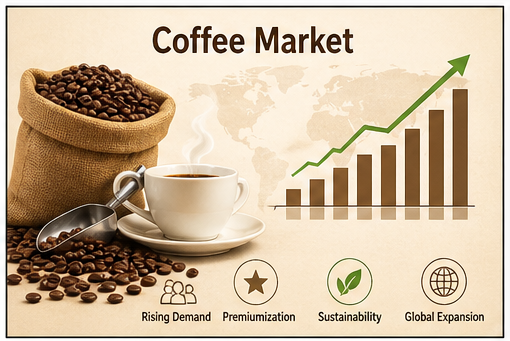
According to Grand View Research, the global coffee market size is expected to reach USD 380.28 billion by 2033, growing at a CAGR of 5.4% from 2026 to 2033. That outlook aligns with what is visible across retail shelves and cafés: stronger premium demand, innovation in cold brew, rising acceptance of better instant coffee, and continued enthusiasm for specialty coffee beans and artisanal espresso offerings.
What Comes Next for Coffee
The next phase of coffee growth will likely center on personalization, wellness, and authenticity. Functional blends with protein, adaptogens, or vitamins are expanding. Subscription models will keep tailoring roast preferences and delivery timing. AI-driven retail systems may predict consumer taste preferences and recommend blends based on brewing habits.
Yet despite all the innovation, the core appeal of coffee remains unchanged: flavor, ritual, and energy. What has changed is the number of ways consumers can enjoy it. In 2026, coffee is no longer one category—it is a spectrum ranging from handcrafted espresso to premium instant coffee, from single-origin arabica beans to refreshing cold brew cans. That versatility is why coffee continues to grow globally and remain deeply embedded in modern lifestyles.

 Arabic
 French
 Spanish
 Portuguese
 Deutsch
 Turkish
 Dutch
Dutch
 Italiano
 Russian
 Romaian
 Portuguese (Brazil)
 Greek
Greek