


Polymer Emulsion Chemistry in Cement Modification
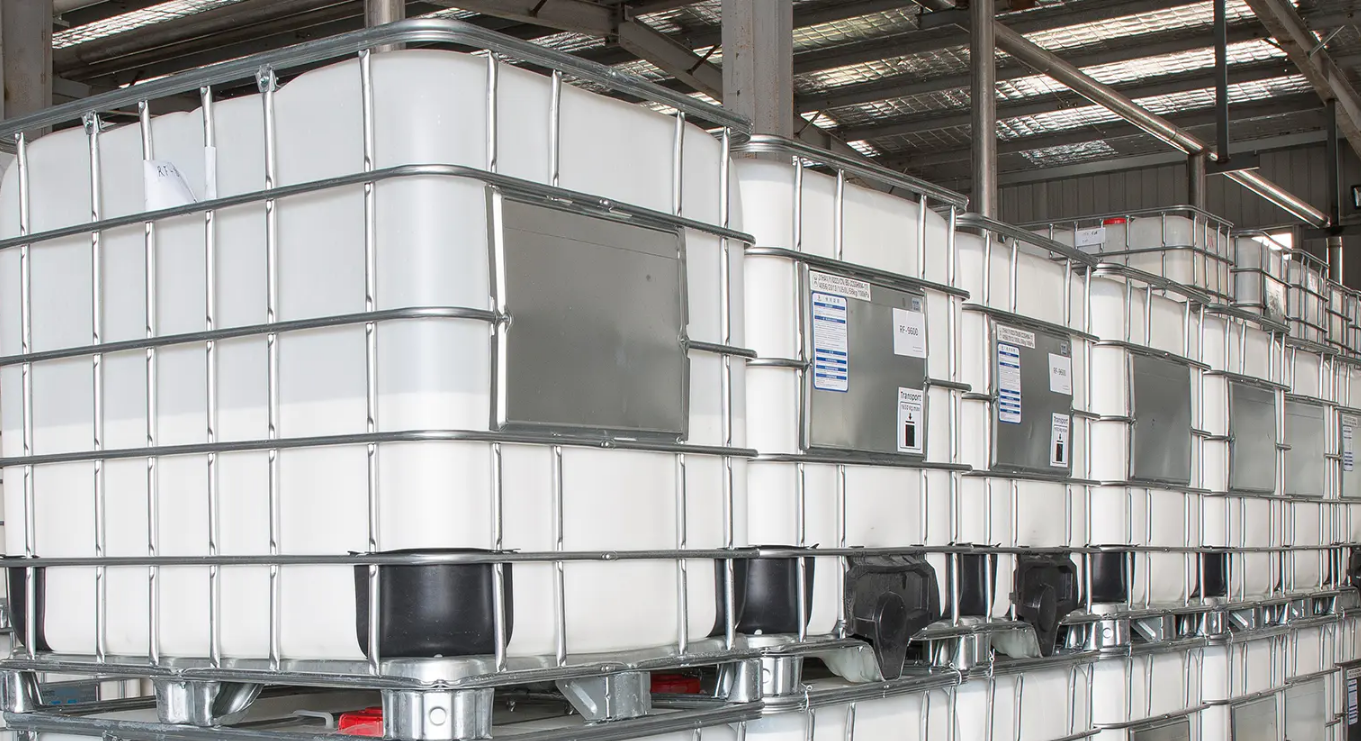
From a material science perspective, Special SBR Latex is a carboxylated styrene-butadiene copolymer dispersed in water. It is designed to interact with cement hydration products and modify the microstructure of hardened concrete.
The latex particles, typically ranging from 0.1 to 1 micron, are uniformly dispersed in the aqueous phase. During cement hydration, water evaporation and chemical reactions cause these polymer particles to coalesce into continuous films within the cement matrix.
This film formation is responsible for improved mechanical properties such as:
Increased tensile strength
Improved flexural performance
Reduced permeability
Typical technical parameters include:
Solid content: 35–45%
Density: ~1.02 g/cm³
pH value: 7–9.5
Viscosity: 20–60 mPa·s depending on grade
The interaction between polymer film and cement hydration products creates a hybrid composite structure. This structure improves crack resistance by distributing stress more evenly under load.
Research studies also indicate improved freeze-thaw durability and chemical resistance, particularly against chloride ion penetration. These properties make Special SBR Latex suitable for marine structures and industrial flooring systems.
The polymer-cement interaction mechanism is one of the key reasons this material is widely adopted in modern construction chemistry.

 English
 Arabic
 French
 Spanish
 Portuguese
 Deutsch
 Turkish
 Dutch
Dutch
 Italiano
 Russian
 Romaian
 Portuguese (Brazil)