


Can a Faulty ATB Switch Affect the Greer LMI System Performance?
Modern cranes rely on smart safety systems, and even a small fault can create big risks. One common issue seen in the field is a faulty Anti Two Block switch, also called an ATB switch. This small device plays a major role in keeping lifting operations safe and smooth.
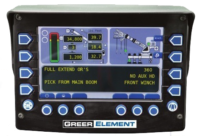
In cranes using the Greer element LMI for cranes, every signal matters. If the ATB switch fails, it can directly impact how the Load Moment Indicator system works, leading to unsafe lifting conditions and costly downtime.
What Does an ATB Switch Do in a Crane?
The Anti Two Block switch is a safety device that stops the hook block from hitting the boom tip. This situation is called two blocking, and it can damage the wire rope or cause load drops.
The ATB switch sends a signal to the crane control system. When triggered, it can stop hoisting and warn the operator. This helps avoid accidents and protects both the crane and the crew.
How the Greer LMI System Depends on Accurate Signals
The Greer LMI system monitors load weight, boom angle, and working limits. It uses input from different sensors, including the ATB switch.
If all signals are correct, the system gives clear warnings and keeps operations within safe limits. But if one signal is wrong, the system cannot make the right decision.
That is why the Greer element LMI for cranes must always receive accurate and reliable input data from every connected device.
What Happens When the ATB Switch Is Faulty?
A faulty ATB switch can create several problems. Some are easy to notice, while others are hidden and more dangerous.
1. False Alarms
The system may think two blocking is happening when it is not. This stops crane movement without reason and slows down work.
2. No Warning at All
In some cases, the switch fails to send any signal. This removes an important safety layer and increases the risk of equipment damage.
3. LMI System Errors
The LMI may show wrong data or error codes. Operators may lose trust in the system, which can lead to unsafe decisions.
4. Sudden Shutdowns
Unexpected stops during lifting can affect load control and job site safety.
Signs Your ATB Switch May Be Failing
Knowing the early signs can save time and prevent accidents. Look for these common issues:
-
Frequent warning alarms without a clear cause
-
Delayed response when lifting or lowering
-
Visible damage to the switch or wiring
-
LMI display showing incorrect information
If any of these signs appear, it is best to inspect the system right away.
Why This Issue Should Not Be Ignored
A crane is only as safe as its weakest component. A faulty ATB switch may seem like a small problem, but it can lead to serious results.
Industry reports show that a large number of crane accidents are linked to sensor failures and ignored warnings. Fixing small issues early can prevent major failures later.
Keeping the ATB switch in good condition helps the LMI system perform correctly and keeps operators confident during lifting tasks.
Best Practices for Maintenance and Safety
To avoid problems with the ATB switch and LMI system, follow these simple steps:
Regular Inspection
Check the switch, wiring, and connections during routine maintenance.
Functional Testing
Test the ATB system before starting work each day. Make sure alarms and cutoffs work as expected.
Use Quality Parts
Always use reliable and tested components that match your crane model.
Train Operators
Ensure operators understand warning signals and know how to respond quickly.
Schedule Professional Service
Work with trained technicians who understand crane electronics and safety systems.
Closing Summary
Yes, a faulty ATB switch can directly affect the performance of the Greer LMI system. It can cause false alarms, missed warnings, and unsafe lifting conditions. Fixing this issue quickly is important for both safety and productivity.
Using the right components, such as the Greer ATB switch A250029 with locking pin, helps maintain system accuracy and ensures reliable crane operation. Regular checks and proper care go a long way in keeping your crane safe and efficient.
FAQs
1. How does an ATB switch connect to the LMI system?
The ATB switch sends electrical signals to the LMI system. These signals tell the system when the hook is too close to the boom tip. If the signal is missing or wrong, the system cannot respond correctly, which affects crane safety.
2. Can I operate a crane with a faulty ATB switch?
Operating a crane with a faulty ATB switch is not safe. It removes an important protection feature and increases the risk of equipment damage and accidents. It is always better to fix the issue before continuing work.
3. How often should the ATB switch be checked?
The ATB switch should be checked daily before operation and during regular maintenance schedules. Frequent checks help catch small problems early and keep the crane running safely without unexpected interruptions.
4. What causes an ATB switch to fail?
Common causes include worn parts, damaged wiring, dirt buildup, and harsh working conditions. Over time, these factors can affect how the switch works and lead to incorrect signals being sent to the system.
5. Why is the Greer LMI system sensitive to sensor faults?
The Greer LMI system relies on accurate data from multiple sensors to calculate safe lifting limits. Even one faulty sensor can affect the whole system, leading to incorrect readings and reduced safety during crane operations.

 English
 Arabic
 Spanish
 Portuguese
 Deutsch
 Turkish
 Dutch
Dutch
 Italiano
 Russian
 Romaian
 Portuguese (Brazil)
 Greek
Greek