


How Teeth Retainers Support Oral Health and Alignment?
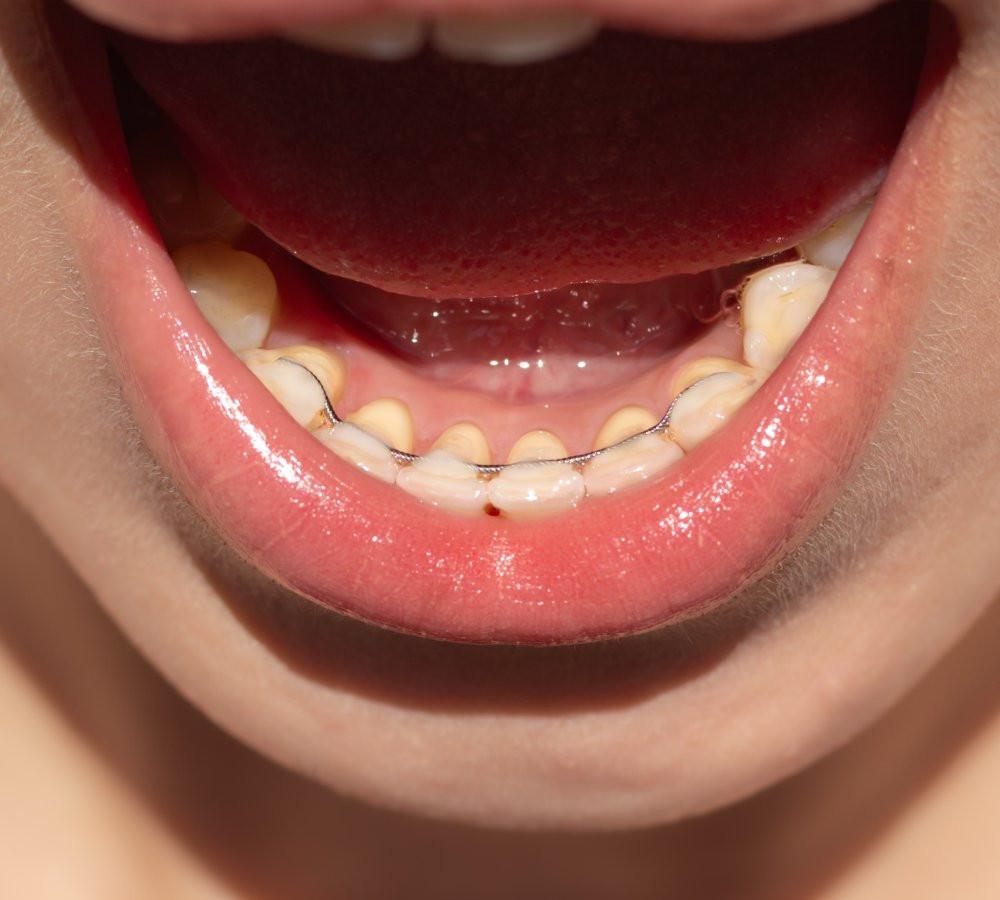
Teeth retainers are often seen as the final step after orthodontic treatment, but their role goes far beyond simply keeping teeth straight. After completing braces or clear aligners such as Invisalign, Teeth Retainers in Dubai become a long-term support system for both oral health and dental alignment.
Many people assume that once teeth are straightened, the job is done. However, teeth naturally continue to shift due to bone remodeling, chewing forces, and muscular pressure. Without retainers, even perfectly aligned smiles can gradually change over time.
The Science of Stability: Why Teeth Need Ongoing Support
Teeth are held in place by periodontal ligaments and surrounding bone structures that are constantly adapting. Even after orthodontic correction with treatments like Invisalign, these tissues remain flexible and responsive to pressure.
Key biological factors behind tooth movement:
- Continuous bone remodeling throughout life
- Elastic memory in periodontal ligaments
- Pressure from chewing and speaking
- Tongue and lip muscle activity
Retainers act as a stabilizing force that prevents these natural processes from reversing orthodontic results.
How Teeth Retainers Maintain Alignment Over Time?
One of the most important functions of retainers is preserving tooth position after orthodontic treatment. Without them, teeth gradually drift back toward their original positions.
After treatments like Invisalign, retainers ensure that:
- Teeth remain in corrected alignment
- Gaps do not reappear
- Crowding is prevented
- Bite relationships stay stable
This long-term stabilization is essential because even small shifts can impact both appearance and function.
Preventing Orthodontic Relapse: The Most Important Benefit
Orthodontic relapse refers to the gradual return of teeth to their previous positions. This is one of the most common dental concerns after braces or aligner therapy.
How retainers prevent relapse:
- Hold teeth in their new positions while bone stabilizes
- Reduce pressure from surrounding tissues
- Maintain spacing and symmetry
- Protect orthodontic investment
Patients who consistently use retainers after Invisalign significantly reduce the risk of needing repeat orthodontic treatment.
Supporting Gum Health and Periodontal Stability:
Straight teeth are easier to clean, but maintaining that alignment is key to long-term gum health. Misaligned teeth can create tight spaces where plaque accumulates, increasing the risk of gum disease.
Retainers support gum health by:
- Keeping teeth properly aligned for easier brushing and flossing
- Reducing plaque traps between crowded teeth
- Preventing uneven pressure on gums
- Supporting healthy bite distribution
After orthodontic correction with Invisalign, retainers help preserve the ideal spacing needed for optimal oral hygiene.
Improving Bite Function and Jaw Balance:
Teeth alignment is not just about appearance—it directly affects how your bite functions. A balanced bite ensures that chewing forces are distributed evenly across all teeth.
Benefits of proper alignment maintenance:
- Reduced jaw strain and discomfort
- Improved chewing efficiency
- Lower risk of uneven tooth wear
- Better long-term jaw joint stability
Retainers ensure that the bite alignment achieved through orthodontic treatment remains stable over time.
Reducing the Risk of Tooth Wear and Damage:
When teeth shift out of alignment, certain teeth may bear more pressure than others. This can lead to enamel wear, chipping, or sensitivity over time.
Retainers help prevent:
- Uneven biting forces
- Excessive enamel erosion
- Tooth fractures caused by misalignment
- Long-term sensitivity issues
After treatments like Invisalign, maintaining proper alignment with retainers helps protect tooth structure for the long term.
Enhancing Long-Term Aesthetic Stability:
A straight smile is one of the most noticeable aspects of facial aesthetics. However, without retainers, even small shifts can affect overall appearance.
Aesthetic benefits of retainers:
- Maintains smile symmetry
- Prevents visible crowding or spacing
- Preserves front tooth alignment
- Supports long-term facial harmony
This is especially important after orthodontic treatments like Invisalign, where precision alignment is achieved and must be preserved.
Supporting Speech and Oral Function:
Teeth play an important role in speech articulation and oral function. Even slight shifts can affect pronunciation or tongue placement.
Retainers help by:
- Maintaining stable tooth positioning for clear speech
- Preventing changes in tongue space
- Supporting consistent oral mechanics
This ensures that improvements gained through orthodontic treatment remain functional as well as aesthetic.
Types of Retainers That Support Oral Health:
Different types of retainers offer varying levels of support, but all contribute to maintaining alignment.
Clear removable retainers:
- Common after orthodontic treatments like Invisalign
- Easy to clean and maintain
- Provide full arch coverage
Hawley retainers:
- Durable and adjustable
- Support long-term stability
- Allow minor orthodontic adjustments
Fixed retainers:
- Bonded behind teeth
- Provide continuous stabilization
- Ideal for preventing lower front tooth movement
Each type plays a role in preserving oral health and alignment depending on individual needs.
Daily Habits That Maximize Retainer Benefits:
To fully support oral health and alignment, consistent care is essential.
Recommended habits include:
- Wearing retainers as prescribed (often nightly long-term)
- Cleaning retainers daily to prevent bacteria buildup
- Brushing and flossing before reinsertion
- Storing retainers in protective cases
- Attending regular dental checkups
These habits ensure long-term effectiveness after treatments like Invisalign.
Common Mistakes That Undermine Retainer Effectiveness:
Even small errors can reduce the benefits of retainers.
Mistakes to avoid:
- Skipping nighttime wear
- Using hot water for cleaning
- Not wearing retainers consistently
- Ignoring early signs of shifting
- Poor storage practices
Avoiding these ensures that alignment and oral health remain stable.
The Long-Term Health Impact of Consistent Retainer Use:
Consistent Teeth Retainers use does more than preserve appearance—it directly supports lifelong oral health.
Long-term benefits include:
- Reduced risk of gum disease
- Lower chance of tooth crowding
- Better bite alignment over time
- Fewer dental complications
- Reduced need for future orthodontic treatment
After orthodontic care such as Invisalign, retainers are the key to maintaining these long-term health outcomes.
Conclusion:
Teeth retainers are far more than a post-treatment accessory—they are an essential tool for maintaining oral health, alignment, and long-term dental function. Without them, the natural forces of tooth movement can gradually undo orthodontic results.
After treatments like Invisalign, retainers ensure that straight teeth remain stable, healthy, and functional for years to come.
Ultimately, retainers serve as the foundation of lifelong dental stability, protecting not only your smile but also your overall oral health.

 English
 Arabic
 Spanish
 Portuguese
 Deutsch
 Turkish
 Dutch
Dutch
 Italiano
 Russian
 Romaian
 Portuguese (Brazil)
 Greek
Greek