


Cast Iron Casting: Strength, Durability, and Precision in Modern Manufacturing
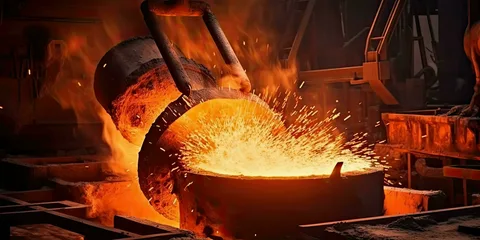
Cast iron casting has been a cornerstone of industrial manufacturing for centuries. Known for its exceptional strength, durability, and versatility, cast iron remains one of the most widely used materials across multiple industries. From automotive components to infrastructure and heavy machinery, cast iron casting services play a critical role in producing reliable and long-lasting metal parts.
With continuous advancements in manufacturing technology, cast iron casting has evolved to meet modern industrial demands while maintaining its traditional advantages. Today, it stands as a cost-effective and efficient solution for producing complex, high-performance components.
Understanding Cast Iron Casting
Cast iron casting is a metalworking process in which molten iron is poured into a mold and allowed to solidify into a desired shape. The defining characteristic of cast iron is its high carbon content, typically between 2% and 4%, which gives it excellent fluidity, compressive strength, and wear resistance.
This process allows manufacturers to produce intricate shapes with high dimensional accuracy, making cast iron ideal for both structural and functional applications. Its ability to absorb vibrations and withstand heavy loads further enhances its value in industrial applications.
Types of Cast Iron Used in Casting
There are several types of cast iron, each offering unique properties suitable for different applications. Professional cast iron casting services select the appropriate type based on performance requirements.
Gray Cast Iron
Gray cast iron is the most commonly used type due to its excellent machinability and vibration-damping properties. It is widely used in engine blocks, machine bases, and automotive components.
Ductile (Nodular) Cast Iron
Ductile iron offers higher strength and ductility compared to gray iron. Its improved toughness makes it suitable for components that experience high stress, such as pipes, gears, and suspension parts.
White Cast Iron
White cast iron is extremely hard and wear-resistant, making it ideal for abrasive environments. It is commonly used in grinding and crushing equipment.
Malleable Cast Iron
Produced by heat-treating white cast iron, malleable iron offers improved ductility and toughness, making it suitable for automotive and hardware applications.
The Cast Iron Casting Process
The cast iron casting process involves several carefully controlled steps to ensure quality and precision:
1. Pattern Creation
A pattern representing the final product is created using wood, metal, or plastic. This pattern forms the cavity inside the mold.
2. Mold Preparation
The mold is prepared using sand mixed with binding agents. The pattern is placed in the mold to form the required shape.
3. Melting the Iron
Cast iron is melted in a furnace at high temperatures. The molten metal is carefully monitored to ensure proper composition and consistency.
4. Pouring
The molten iron is poured into the prepared mold through a gating system. The metal fills the cavity and begins to solidifying.
5. Cooling and Solidification
After cooling, the mold is broken, and the solidified casting is removed.
6. Finishing and Machining
The casting undergoes finishing processes such as grinding, machining, and surface treatment to meet dimensional and quality requirements.
Advantages of Cast Iron Casting
Cast iron casting offers numerous benefits that make it a preferred choice across industries:
1. Excellent Strength and Durability
Cast iron components can withstand high loads, pressure, and wear, making them suitable for heavy-duty applications.
2. Cost-Effective Manufacturing
The raw materials used in cast iron are relatively affordable, and the casting process allows for economical large-scale production.
3. Superior Machinability
Cast iron is easier to machine than many other metals, reducing manufacturing time and cost.
4. Excellent Vibration Damping
The natural damping properties of cast iron reduce noise and vibration in machinery and equipment.
5. Design Flexibility
Complex shapes and intricate designs can be achieved with minimal additional processing.
Applications of Cast Iron Casting
Cast iron casting is widely used across multiple industries due to its versatility and reliability.
Automotive Industry
Used in engine blocks, cylinder heads, brake components, and transmission parts due to strength and heat resistance.
Construction and Infrastructure
Cast iron pipes, manhole covers, and structural components are commonly used in construction projects.
Industrial Machinery
Machinery bases, frames, housings, and gears are often produced using cast iron for stability and durability.
Agriculture Equipment
Tractors, plows, and agricultural machinery rely on cast iron components for strength and longevity.
Energy and Power Generation
Cast iron components are used in turbines, generators, and power plant equipment due to their heat resistance.
Quality Control in Cast Iron Casting
Quality assurance is a critical part of the casting process. Reputable cast iron casting services implement strict quality control measures at every stage of production.
Key quality checks include:
-
Chemical composition analysis
-
Dimensional inspection
-
Non-destructive testing
-
Surface quality evaluation
-
Mechanical property testing
These measures ensure that each casting meets industry standards and customer specifications.
Importance of Choosing the Right Cast Iron Casting Service
Selecting a reliable cast iron casting service provider is essential for achieving consistent quality and performance. A trusted manufacturer offers:
-
Expertise in various casting techniques
-
Advanced manufacturing facilities
-
Strict quality control systems
-
Customization capabilities
-
Timely delivery and technical support
Partnering with an experienced casting company ensures long-term reliability and cost efficiency.
Sustainability in Cast Iron Casting
Modern casting operations are increasingly focused on sustainability. Recycling scrap iron, optimizing energy consumption, and minimizing waste are key practices adopted by responsible manufacturers.
Recycled iron is commonly used in cast iron production, reducing environmental impact while maintaining material quality. Sustainable practices not only benefit the environment but also lower production costs.
The Future of Cast Iron Casting
As industries evolve, cast iron casting continues to adapt through technological advancements. Automation, digital simulation, and improved alloy formulations are enhancing precision and efficiency.
The future of cast iron casting lies in combining traditional metallurgical expertise with modern manufacturing innovations to meet the growing demands of global industries.
Conclusion
Cast iron casting remains a vital manufacturing process that combines strength, durability, and cost efficiency. Its ability to produce complex, high-performance components makes it indispensable across various industries, from automotive to construction.
With advanced technologies, skilled craftsmanship, and sustainable practices, cast iron casting services continue to deliver reliable solutions for modern manufacturing needs. Choosing the right casting partner ensures quality, consistency, and long-term performance making cast iron an enduring foundation of industrial progress.


 English
 Arabic
 French
 Spanish
 Deutsch
 Turkish
 Dutch
Dutch
 Italiano
 Russian
 Romaian
 Portuguese (Brazil)
 Greek
Greek