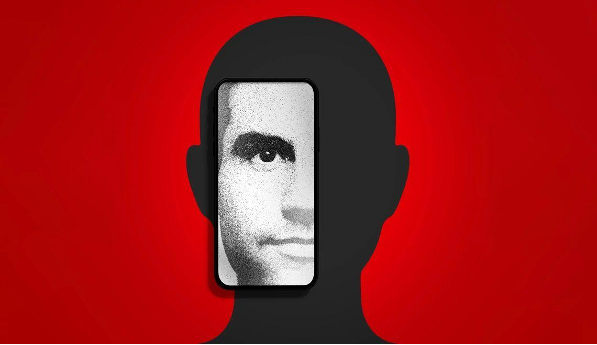



AI Scams & Deepfakes: What every smartphone users should know
In the age of smart everything — phones, watches, even fridges — scammers are getting smarter too. Powered by artificial intelligence (AI), new forms of scams are popping up that look real, sound real, and can fool even tech-savvy users. From fake voices to manipulated videos, it’s time to stay one step ahead.
Here’s what you need to know to protect yourself from AI-powered scams:
What Are Deepfakes?
Deepfakes are videos or audio clips created using AI to mimic real people. Think of it like a high-tech impersonator. AI takes real images or voices and trains itself to recreate them in a very realistic way.
Example scam:
You get a video call that looks like your boss, your child, or a known public figure asking for money or help. Their face and voice seem familiar — but it’s fake.
Real-life cases are already happening — parents receiving calls with their child’s AI-generated voice claiming to be kidnapped. It’s terrifying, and it’s real.
AI Voice & Text Scams:
Forget scammy emails full of bad grammar. AI can now write and speak almost like a human. Here’s how scammers use it:
Fake voice messages: A voicemail sounds like a friend or family member asking for urgent help.
Phishing emails: AI writes emails with perfect grammar and personalization — pretending to be your bank, delivery service, or HR department.
In the age of smart everything — phones, watches, even fridges — scammers are getting smarter too. Powered by artificial intelligence (AI), new forms of scams are popping up that look real, sound real, and can fool even tech-savvy users. From fake voices to manipulated videos, it’s time to stay one step ahead.
Here’s what you need to know to protect yourself from AI-powered scams:
What Are Deepfakes?
Deepfakes are videos or audio clips created using AI to mimic real people. Think of it like a high-tech impersonator. AI takes real images or voices and trains itself to recreate them in a very realistic way.
Example scam:
You get a video call that looks like your boss, your child, or a known public figure asking for money or help. Their face and voice seem familiar — but it’s fake.
Real-life cases are already happening — parents receiving calls with their child’s AI-generated voice claiming to be kidnapped. It’s terrifying, and it’s real.
AI Voice & Text Scams:
Forget scammy emails full of bad grammar. AI can now write and speak almost like a human. Here’s how scammers use it:
Fake voice messages: A voicemail sounds like a friend or family member asking for urgent help.
Phishing emails: AI writes emails with perfect grammar and personalization — pretending to be your bank, delivery service, or HR department.
-
1 Articles
-
1 Photos
-
0 Vidéos
-
Male
-
Suivi par 0 membre
Rechercher

 English
 Arabic
 Spanish
 Portuguese
 Deutsch
 Turkish
 Dutch
Dutch
 Italiano
 Russian
 Romaian
 Portuguese (Brazil)
 Greek
Greek